Emergency Dentist Care for Accidents Involving Braces
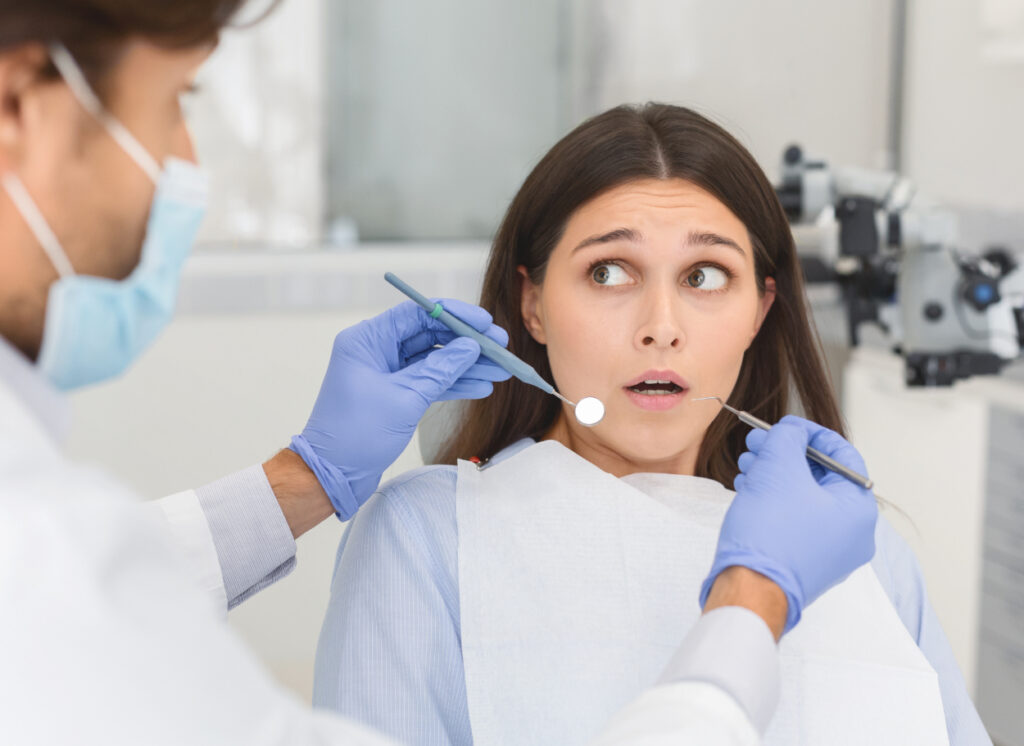
Braces do a remarkable job of moving teeth into healthier positions, but they also add complexity when an accident happens. A fall on the playground, an elbow during basketball practice, a bike spill, or even a hard knock during a weekend pickup game can turn a routine orthodontic adjustment into a true dental emergency. What might have been a chipped tooth or a sore lip without braces can become a bent wire, a loose bracket, a displaced tooth, or a cut cheek that keeps getting reopened by metal.
That mix of trauma and orthodontic hardware is exactly where prompt, informed care matters. Patients and parents often wonder whether they should call the orthodontist first, head to an Emergency Dentist, or wait to see if things settle down. The answer depends on the injury, but one point is consistent across nearly every case, when braces are involved, delays tend to make treatment harder. A wire that is merely irritating at noon can be embedded in the cheek by evening. A bracket hanging loosely can twist and become a choking risk. A tooth that has shifted after impact has a much better chance of being stabilized if it is assessed quickly.
The good news is that many braces-related injuries can be managed calmly and effectively when you know what to look for and what to do in the first hour.
Why accidents with braces need a different response
Orthodontic appliances change both the pattern of injury and the priorities of treatment. In a typical dental trauma case, the clinician is mainly evaluating the teeth, gums, lips, jaw, and supporting bone. With braces, there is an extra layer. The brackets, bands, and archwires can absorb force, redirect it, or magnify it. Sometimes the braces protect teeth from moving as much as they otherwise would. Other times they create sharp points or trap a tooth in the wrong position.
A teenager who gets hit in the mouth with a soccer ball might walk away thinking the damage is minor because no tooth has fallen out. Then the parent notices a wire bowing outward and a bracket rotated sideways. That can mean the force was strong enough to distort the appliance, and distorted appliances often signal stress to the tooth roots or bone underneath. It is not always visible at first glance.
I have seen cases where the obvious problem was a cut lip from a poking wire, but the more important issue was a front tooth that had become slightly mobile and tender to tapping. That kind of injury needs more than wax and patience. It needs a proper exam, often with imaging, and a plan for both trauma care and orthodontic management.
The first question, is it a dental emergency or an orthodontic inconvenience?
Not every broken bracket requires same-day treatment. On the other hand, not every bleeding mouth can wait until the next available orthodontic slot. Distinguishing between urgent trauma and a routine repair is one of the most useful things a patient can do.
A loose elastic tie, a missing colored band, or a bracket that has detached but remains stable on the wire may be annoying without being dangerous. A tooth that has been pushed backward, a wire embedded in tissue, uncontrolled bleeding, or pain that spikes with biting belongs in a different category. If there was a blow to the face, especially with swelling, bruising, jaw stiffness, or headache, the injury should be treated as trauma first and appliance repair second.
This is why many orthodontists advise patients to contact both offices when the situation is unclear. The orthodontist understands the appliance. The Emergency Dentist evaluates acute damage, controls pain, checks for fractures, and protects the tooth and surrounding structures. In many real-world situations, the best outcome comes from coordination between the two.
What to do in the first hour
The first hour after an accident sets the tone for everything that follows. Calm, simple steps usually work better than improvised fixes. Before touching the braces much, wash your hands, check for active bleeding, and make sure there is no head injury or trouble breathing. If the patient lost consciousness, has severe facial swelling, cannot open or close the mouth normally, or may have a jaw injury, emergency medical care takes priority.
If the mouth injury appears limited to teeth, gums, lips, and braces, these steps are usually appropriate:
- Rinse gently with lukewarm water or a mild saltwater solution to clear blood and debris.
- Apply a cold compress to the outside of the face in short intervals to reduce swelling.
- Cover any sharp bracket or wire with orthodontic wax if available.
- Save any broken piece you can find, including a bracket, wire fragment, or part of a retainer.
- Call an Emergency Dentist or your orthodontist immediately if a tooth is loose, displaced, cracked, or if pain is significant.
That basic response helps in most home, school, and sports settings. What patients should not do is equally important. Do not yank on a bent wire, snap a bracket off, or test a loose tooth repeatedly with your fingers. Do not give aspirin directly on the gums, a surprisingly common mistake that can burn tissue. If bleeding is present, steady pressure with clean gauze usually works better than constant checking.
When an Emergency Dentist is the right first call
Parents often assume braces automatically make the orthodontist the main decision-maker. For scheduled care, that is true. For trauma, especially trauma involving the teeth themselves, an Emergency Dentist is often the best first call because the immediate question is not whether the bracket can be reattached. It is whether the teeth, roots, bone, pulp, and soft tissues are intact.
An Emergency Dentist is particularly important when a tooth has been chipped deeply, pushed out of position, intruded into the gum, or loosened after impact. The same applies when there is significant bleeding, visible fractures, lip lacerations caused by brackets, or intense pain while biting. If a patient says, “My braces are broken,” but also winces when gently closing the teeth together, trauma evaluation needs to happen before appliance adjustment.
This is not a competition between providers. It is a matter of sequence. Trauma first, orthodontic refinement second. In many offices, the Emergency Dentist will stabilize the tooth, take radiographs if indicated, smooth or secure anything hazardous, and then refer back to the orthodontist for wire and bracket management once the injury is under control.
The injuries that deserve same-day attention
Certain patterns show up again and again in braces-related accidents, and they should not be handled casually. Some are dramatic, others deceptively subtle.
A tooth has moved, even slightly
A front tooth that looks longer, shorter, farther back, or slightly twisted after a hit may have been displaced. Braces can make this harder to spot because the wire and brackets create a visual reference that masks small changes. Patients sometimes say, “The braces look crooked,” when the real problem is that the tooth moved and took the bracket with it.
Displaced teeth need prompt professional assessment. Timing matters because repositioning and stabilization are usually easier soon after the injury.
A wire is cutting into the cheek, lip, or gum
A protruding archwire can create a small puncture or a painful line ulcer in just a few hours. If it is deeply embedded or cannot be safely covered with wax, same-day care is appropriate. This is especially true in younger patients, who may continue biting or rubbing the area without realizing how much damage is developing.
A bracket or band is loose after a blow
A loose bracket from ordinary wear can often wait a short time. A bracket loosened by trauma is different because the force may have injured the tooth under it. If the tooth feels sore to touch or bite, or if the bracket is swinging freely, it should be examined.
There is pain when biting
Pain during chewing often points to more than soft tissue irritation. It can suggest a cracked tooth, tooth movement, or trauma to the ligament around the root. Braces can spread that discomfort along the wire, which sometimes confuses the picture. A patient may describe “all my front teeth hurting,” when one injured tooth is actually the source.
Bleeding does not stop or swelling keeps increasing
Braces commonly cause small cuts that bleed more than people expect, especially inside the lips. Most settle with pressure. Persistent bleeding or progressive swelling needs direct assessment. Soft tissue injuries occasionally require cleaning or closure, and debris can become trapped around brackets.
What an Emergency Dentist will actually check
Patients are often surprised by how broad the exam is after a braces accident. The visit is rarely just about clipping a wire. A careful clinician looks at the bite, mobility of each involved tooth, response to gentle pressure, condition of the gums, lip and cheek lacerations, possible cracks, and whether the orthodontic appliance is distorting tooth position.
Imaging may be needed, but not always. If the teeth are stable and the injury is clearly confined to a single loose bracket with a cheek abrasion, radiographs may not add much in that moment. If a tooth is tender, displaced, shortened, elongated, or darkening over time, imaging becomes much more relevant. Judgment matters. The goal is to identify injuries that can worsen quietly over days or weeks, such as root fractures or pulpal damage, while avoiding unnecessary treatment.
An Emergency Dentist may trim a sharp wire, secure a loose section, remove a hazardous fragment, smooth a chipped tooth, prescribe or recommend pain control, and coordinate the next step with the orthodontist. Sometimes the best choice is to leave a non-dangerous appliance segment in place until the orthodontist can repair it under controlled conditions. Other times, if the wire is pulling teeth in a harmful direction after the accident, immediate modification is justified.
Home care after the urgent visit
The first 48 hours can be uncomfortable, even with proper treatment. Most patients do best with a soft diet, careful brushing, and gentle rinsing. Think yogurt, eggs, pasta, soups that are warm rather than hot, soft rice, smoothies taken by spoon if a straw is uncomfortable, and anything else that does not require heavy biting with the front teeth.
Mouth soreness can be misleading after trauma. The lip may hurt more than the tooth on day one, then the reverse happens on day two. That shift does not necessarily mean something has gone wrong, but it should be monitored. Pain should trend gradually downward, not intensify sharply.
These changes usually justify a prompt recheck:
- increasing tooth mobility
- worsening bite changes
- swelling, pus, or fever
- a tooth turning gray or dark
- persistent sharp pain beyond a few days
Color change in a traumatized tooth deserves particular respect. It does not always mean the tooth is lost, but it does mean the tooth needs follow-up. With braces in place, those follow-up decisions require coordination because orthodontic forces may need to be paused or modified.
The orthodontic side of the equation
Once the immediate injury is controlled, the orthodontist’s role becomes central again. Trauma can interrupt treatment in ways patients do not expect. A bent wire may need replacement, but more importantly, a recently injured tooth may need rest before active movement resumes. Teeth that have suffered ligament or pulpal trauma are not ideal candidates for immediate force.
This is one of the hardest conversations in practice because patients are usually already months into treatment and eager to stay on schedule. Sometimes they have a big event coming up, or they are counting down to debonding. Still, trying to push ahead too aggressively after an accident can create a bigger setback later.
I have seen straightforward orthodontic cases lose momentum because a patient was embarrassed about a sports injury and waited a week to report it. By then, a shifted bracket and hidden root tenderness complicated what should have been a quick repair. The lesson is not to panic over every accident. It is to communicate early. Small details matter, like whether the tooth feels high when you bite, whether the wire is tugging on one side, or whether the lower lip keeps catching on a bracket that was not sharp before the injury.
Sports, mouthguards, and the accident that almost happened
Prevention is worth discussing because many braces emergencies are tied to sports. A properly fitted mouthguard reduces injuries, even though it cannot eliminate them. For patients with braces, the ideal design has enough room to accommodate brackets without compressing them aggressively against the teeth and soft tissues. A generic guard from a sporting goods store is better than nothing, but fit matters.
A good mouthguard often prevents the classic split-lip-from-the-bracket injury. It also reduces direct impact to the appliance, which can spare the wire from deforming. Athletes sometimes resist using one because it feels bulky, especially during conditioning or contact drills. Yet after one emergency visit for a torn inner lip and two broken brackets, most become converts.
There is also a seasonal pattern worth noting. Many orthodontic offices see more trauma cases at the start of school sports, around spring biking weather, and during summer camps. New activities, rusty reflexes, and less supervision all play a role. That is when keeping wax, gauze, and office numbers readily available makes practical sense.
Children, teenagers, and adults respond differently
Age shapes both the injury pattern and the response to treatment. Younger children with early orthodontic appliances may struggle to describe whether the pain is in the tooth or the lip. Teenagers often minimize symptoms because they do not want treatment interrupted or do not want to miss practice. Adults are usually more precise, but they may delay care because of work obligations and assume they can “get through the day.”
Those habits matter clinically. The twelve-year-old who says “it feels weird” may have a displaced tooth. The seventeen-year-old who insists “it’s just the wire” may be biting abnormally because one front tooth shifted. The adult who broke a bracket during a fall in the subway might ignore increasing tenderness until dinner, then discover that the pain with chewing is far worse than it seemed at first.
That is why history-taking matters as much as the visible damage. How did the injury happen? Was the mouth open or closed? Was there immediate bleeding? Does the bite feel different? Did any fragment come out? Answers to those questions often reveal more than the mirror does.
A few edge cases that cause confusion
Not every braces accident fits a simple script. Sometimes a tooth is not visibly chipped, but the patient reports a “click” feeling when tapping it against the opposite tooth. That can point to trauma that deserves evaluation even if the bracket looks fine. Sometimes a wire bends but there is no pain until the next day, when swelling begins in the gumline. Sometimes a patient swallows a tiny elastic or ligature, which is usually not harmful, while a swallowed bracket or wire fragment may justify medical advice depending on size, shape, symptoms, and certainty about what was lost.
Another confusing scenario is delayed pain after a blow. Patients assume that if they were okay for several hours, they avoided a serious problem. Dental trauma does not always announce itself immediately. The ligament around a tooth can inflame over time. Pulpal symptoms can evolve over days. Soft tissue cuts can become much more painful once adrenaline fades and swelling starts.
The main point is straightforward. If the appliance is damaged and the mouth took an impact, do not judge the severity by pain alone.
How to prepare before anything goes wrong
Families with a braces patient do better when they decide in advance how they will handle an emergency. That means knowing the orthodontist’s after-hours instructions, identifying a local Emergency Dentist who treats trauma, and keeping a small kit at home or in a sports bag. It does not need to be elaborate. Orthodontic wax, clean gauze, a small container for broken parts, and contact information go a long way.
Preparation also reduces the temptation to improvise. People get creative when they are stressed, and that is not always helpful. Nail clippers, household pliers, and online hacks tend to produce stories that begin with “we were trying to fix it ourselves.” A https://lanekfyu864.opalvector.com/posts/emergency-dentist-help-for-sudden-gum-boils-and-infections temporary measure like wax is fine. Home dentistry is not.
The goal is not just comfort, it is protecting the long-term result
Braces are a long game. Every month of treatment depends on the health of the teeth and supporting tissues. When an accident happens, the immediate priorities are pain relief, safety, and stabilization. But there is a larger purpose behind urgent care, protecting the final orthodontic result and, more importantly, the long-term health of the teeth.
A well-handled emergency can mean the difference between a brief interruption and a lingering complication. A tooth that is assessed quickly after trauma may return to normal monitoring and conservative care. A similar tooth that is ignored because the patient focused only on the broken bracket may become a much more involved problem.
That is why accidents involving braces deserve respect rather than alarm. Most can be managed successfully. The key is recognizing when the situation has crossed from inconvenience to injury, using sensible first aid, and getting the right professional involved quickly. When trauma and orthodontics overlap, prompt care is not just about fixing metal. It is about preserving teeth, comfort, and the progress already made.
Simple Dental South Gate
Address: 8617 California Ave, South Gate, CA 90280
Phone number: +13236896118
FAQ About Emergency Dentist Southgate CA
What can the ER do for a tooth?
The emergency room can provide temporary symptom relief for a bad tooth, such as prescribing pain medicine or antibiotics, but it cannot fix the actual dental problem.
What is the 3-3-3 rule for tooth infection?
The 3-3-3 rule for a toothache or infection typically means taking three 200 mg ibuprofen tablets (600 mg total) three times a day for no more than three days to control pain and swelling while waiting to see a dentist.
What do you do if you have a dental emergency but no dentist?
If you have a dental emergency and no regular dentist, you should search for an urgent care dental clinic, call local walk-in dental offices, or go to a hospital emergency room if you have severe bleeding, swelling, or trouble breathing.