How to Extend the Life of Your Dental Crowns
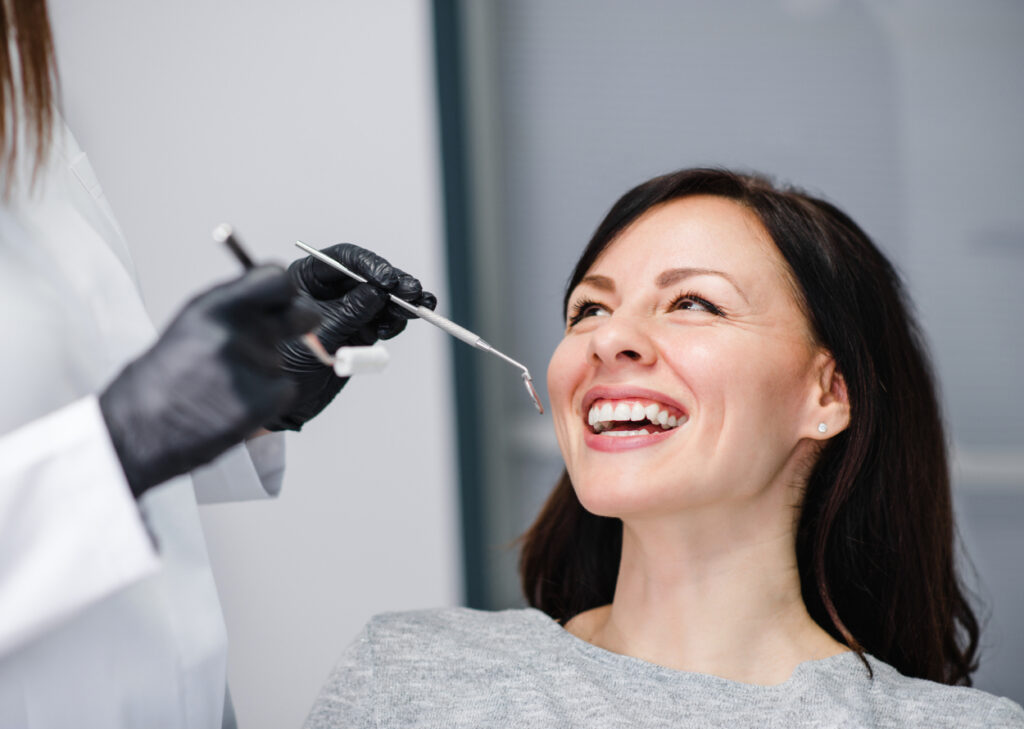

Dental crowns are built to take a beating. They sit in one of the harshest environments in the body, dealing with temperature swings, pressure from chewing, acids from food and drink, and the constant presence of bacteria. Even so, crowns are not permanent hardware. They are durable restorations, not indestructible ones. How long they last depends as much on daily habits and follow-up care as on the material itself.
In practice, I have seen crowns fail early for predictable reasons. A beautifully made crown can chip because someone chews ice every afternoon. A well-bonded crown can loosen because decay starts at the margin where the tooth and crown meet. Sometimes the crown itself is still intact, but the tooth underneath has changed, cracked, or weakened enough that replacement becomes necessary. The good news is that many of the most common problems are preventable.
If you already have Dental Crowns, or you are about to get one, the goal is simple: protect both the restoration and the tooth supporting it. That requires more than brushing twice a day and hoping for the best. It calls for understanding what threatens crowns, recognizing early warning signs, and making a few practical adjustments that pay off over years.
What actually limits the lifespan of a crown
People often ask how long a crown should last, expecting a single number. Realistically, there is a wide range. Many crowns do well for 10 to 15 years, and plenty last longer. Some fail much sooner. The difference usually comes down to the condition of the underlying tooth, the bite forces on that area, the fit of the crown, and patient habits.
The crown itself may be made of porcelain, zirconia, metal, or a layered ceramic material. Each option has strengths and weaknesses. Zirconia tends to be very strong, porcelain looks highly natural but may be more prone to chipping in certain cases, and metal-based restorations have a long track record for durability. But material choice is only part of the equation. A crown that fits poorly at the gumline is vulnerable no matter what it is made from. A perfectly made crown placed on a tooth with little healthy structure left may also face a shorter lifespan.
The biggest surprise for many patients is that crowns often fail because of what happens at the edges. The visible part can look fine while decay quietly develops underneath or along the margin. That is why a crowned tooth still needs the same level of hygiene, and sometimes more attention, than a natural tooth.
The crown is only as strong as the tooth beneath it
A dental crown is a cap, not a replacement root. It depends on the remaining tooth structure for support. If the tooth underneath has had a large filling, root canal treatment, fracture lines, or previous decay, it may already be compromised before the crown is even placed.
This matters because force travels through the crown into the tooth. When someone clenches at night or bites hard on a tough food, that force does not stop at the ceramic surface. It transfers downward. If enough natural tooth remains and the crown is well designed, the tooth can tolerate it. If the foundation is thin or weakened, stress can concentrate in vulnerable areas and lead to cracks or leakage.
That is one reason dentists sometimes recommend a night guard, a core buildup, or additional reinforcement before crowning a tooth. Patients occasionally see these as optional extras. Often they are the details that determine whether the crown lasts five years or fifteen.
Daily cleaning makes more difference than most people realize
The most important maintenance habit is controlling plaque at the gumline. Crowns do not decay, but teeth do. The seam where crown meets tooth is a natural trouble spot because plaque tends to collect there. If biofilm sits undisturbed, the tooth structure at that junction can soften, and the seal can break down over time.
Brushing needs to be thorough but not aggressive. A soft-bristled brush and fluoride toothpaste are usually ideal. Hard scrubbing does not clean better. It tends to irritate the gums and can contribute to recession, which exposes the crown margin and root surface. That makes the area more difficult to keep clean and can increase sensitivity.
Flossing matters just as much. Many people floss the front teeth consistently and rush through the back, where most crowns live. That is a mistake. The gum tissue around a crowned molar is often where early inflammation starts. Sliding floss gently below the contact and curving it around each side of the tooth helps remove buildup where a brush cannot reach. If you have bridges, tight contacts, or limited dexterity, interdental brushes, floss threaders, or a water flosser can make a real difference.
I often tell patients to think in terms of margins, not just surfaces. You are not just polishing a crown. You are protecting the border that keeps bacteria out.
Biting habits that quietly shorten crown life
Many crowns do not fail during meals. They fail during habits people barely notice. Grinding at night, clenching while driving, chewing pen caps, cracking seeds with the back teeth, opening packaging with the mouth, and crunching ice all produce concentrated stress. Those forces can chip porcelain, loosen cement, wear opposing teeth, or crack the underlying tooth.
Night grinding is especially destructive because it can happen for hours without the cushioning effect of food. The pressure is often lateral rather than vertical, which ceramic materials tolerate less well. Patients are sometimes skeptical because they do not wake up in pain, but the signs are familiar in the chair: flattened biting surfaces, tiny fractures, jaw tenderness, and crowns that repeatedly chip in the same pattern.
A custom night guard is not glamorous, but it is one of the best ways to extend the life of Dental Crowns when grinding is part of the picture. Store-bought guards are better than nothing in some cases, but they can be bulky, inconsistent in fit, and less effective at distributing forces evenly. A properly adjusted guard also protects other restorations and natural teeth, which matters because your bite works as a system.
Food choices matter, but not in a simplistic way
Patients often expect a list of foods they must avoid forever. That is not usually necessary. Most people with crowns can eat a normal diet. The issue is not ordinary chewing. It is repeated exposure to extremes, especially hard, sticky, or highly acidic foods when combined with less-than-ideal hygiene.
Very hard foods can place point pressure on a crown. Sticky candies can pull at restorations, especially older crowns with weakening cement. Frequent acidic drinks, including soda, sports drinks, sparkling beverages with added acid, and citrus-heavy habits, do not usually damage the crown directly, but they can affect the surrounding tooth and the cement interface over time.
The pattern matters more than the occasional treat. Sipping sweetened or acidic drinks all afternoon is tougher on a crown margin than drinking one with a meal and rinsing afterward. The same goes for constant snacking. Teeth and restorations do better when the mouth gets time to recover between acid attacks.
Warning signs you should not ignore
Crowns rarely go from perfect to failed overnight. Most problems announce themselves quietly first. Patients often wait because the discomfort seems minor or intermittent. That delay can turn a simple recementation or margin repair into a replacement, root canal, or extraction.
Watch for these signs:
- Sensitivity to cold, pressure, or sweets that is new or getting worse
- Food trapping around the crown more than before
- A rough, chipped, or sharp edge you can feel with your tongue
- Gum bleeding, puffiness, or a bad taste around one crowned tooth
- A crown that feels high, loose, or slightly mobile
A crown that feels “mostly fine” can still have a problem. A minor bite discrepancy can create repeated overload. A small cement washout can invite decay. Gum irritation around one area may indicate an overhang, a margin issue, or simply inadequate cleaning, but it should be assessed rather than guessed at.
Why regular checkups are not optional for crowned teeth
Patients sometimes assume that once a crown is placed, the job is done. In reality, the maintenance phase is where long-term success is decided. Clinical exams allow your dentist to check the integrity of the margins, evaluate your bite, monitor gum health, and look for hairline fractures or wear that you may not notice at home. X-rays can reveal recurrent decay or bone changes beneath the surface long before symptoms become obvious.
This is particularly important for older crowns. Cement does not last forever in the oral environment. Teeth shift subtly over time. Gums recede. Habits change. A crown that was ideal ten years ago may now be carrying force differently because another tooth was lost, a filling changed your bite, or grinding increased during a stressful period.
When dentists recommend replacing a crown, the reason is not always visible on the outside. Sometimes the porcelain still looks acceptable, but the margins are open or decay is creeping underneath. Catching that early can preserve more of the remaining tooth. Waiting until pain or swelling appears usually means the situation is more complex.
The role of bite alignment, which patients often underestimate
A crown can be technically excellent and still fail if the bite is off. Even a fractionally high spot can create repeated trauma. Patients describe this in different ways. Some say the tooth “hits first.” Others notice a dull ache when chewing or a feeling that they cannot find a comfortable bite. Some do not notice anything at all, but the crown keeps chipping in one area.
Posterior crowns, especially on molars, absorb substantial force. If the opposing tooth contacts too heavily or too early, that stress becomes concentrated instead of shared across the arch. Over time, the result may be porcelain fracture, cement fatigue, soreness in the periodontal ligament, or cracks in the tooth underneath.
This is why bite adjustments after crown placement matter. If your dentist asks you to come back because something feels off, go. A five-minute adjustment can prevent years of trouble. I have seen patients tolerate a “small annoyance” for months, only to return with a fractured cusp or persistent pain that could likely have been avoided.
Gum health can make or break a crown
A healthy crown needs a healthy gum environment. Inflamed gums bleed more easily, trap more plaque, and make it harder to judge whether a margin is intact. When gums recede, the edge of the crown may become exposed. Depending on the crown design, this may create an area that catches plaque or looks darker near the gumline. In severe cases, recession can affect esthetics and retention.
The causes are familiar: inconsistent cleaning, smoking, dry mouth, mouth breathing, certain medications, and underlying periodontal disease. Smoking deserves special mention because it changes the tissue response, increases periodontal risk, and can hide early inflammation by reducing visible bleeding. That can make patients think their gums are healthier than they are.
Dry mouth is another overlooked factor. Saliva buffers acids, helps control bacterial growth, and supports remineralization of the natural tooth. People taking medications for blood pressure, anxiety, allergies, depression, or sleep often notice reduced saliva flow. If you have multiple crowns and chronic dryness, mention it. Management can include saliva substitutes, sugar-free xylitol products, fluoride support, hydration strategies, and targeted preventive care.
When a root canal crown needs extra attention
Crowns placed on root canal treated teeth deserve particular respect. These teeth no longer have a vital pulp, which means they can function well, but they may also be more brittle and less likely to warn you early if a crack develops. Patients sometimes assume a crowned root canal tooth is “fixed forever” because it no longer hurts. That is a risky assumption.
A root canal tooth can still fracture vertically. It can still develop decay at the margin. It can still lose enough structure that the crown becomes unstable. Because pain may be reduced or absent until the problem is advanced, routine exams are crucial. If you chew on a crowned root canal tooth and something feels https://eduardolfro796.capitaljays.com/posts/dental-crowns-for-molars-why-strength-matters suddenly different, especially a sharp jolt, a strange pressure sensation, or a new rough edge, have it checked promptly.
Temporary crowns set the stage for permanent success
One avoidable source of trouble starts before the final crown is even cemented. Temporary crowns are not just placeholders for appearance. They protect the prepared tooth, maintain spacing, and help the gums heal into a healthy contour for the final restoration. When a temporary comes off repeatedly, patients sometimes delay repair because they assume it is no big deal. It can be a big deal.
An uncovered prepared tooth is vulnerable to sensitivity, movement, decay, and gum changes that make the final fit less predictable. If your temporary loosens or breaks, contact the office. In the same way, if the permanent crown never quite feels right from day one, say so. It is much easier to correct issues early than after weeks of compensating with the rest of your bite.
A few habits that protect crowns for the long haul
The most durable routines are simple and consistent rather than dramatic. Over years of follow-up, the patients whose crowns last longest usually do the ordinary things well, and they avoid the small self-inflicted injuries that add up.
Here are the habits that matter most:
- Brush gently but thoroughly twice daily with fluoride toothpaste, focusing on the gumline
- Clean between teeth every day, especially around crowned molars and premolars
- Wear a custom night guard if you clench or grind
- Keep recall visits and x-rays on schedule, even when nothing hurts
- Use teeth only for eating, not for ice, packaging, pens, or other nonfood tasks
None of this is flashy. That is the point. Crown longevity is usually built in the boring middle, on ordinary weekdays, not in emergency appointments.
When repair is possible, and when replacement is smarter
Not every crown problem means starting over. A small chip in a noncritical area may sometimes be polished or repaired. A crown that has come off cleanly, with the underlying tooth still sound, can occasionally be recemented. A bite issue may be solved with a simple adjustment. But there are limits.
Replacement is often the better option when decay extends under the margin, when the fit is no longer acceptable, when repeated chipping suggests the material or design is wrong for your bite, or when the supporting tooth has changed significantly. Trying to preserve a failing crown too long can cost more tooth structure in the end.
Judgment matters here. An older crown with a tiny cosmetic flaw and solid margins may not need replacement immediately. A newer-looking crown with recurrent decay at the edge probably does. The decision should be based on function, seal, tooth integrity, gum response, and bite, not just appearance.
The esthetic side of longevity
Front crowns raise another concern: appearance over time. Even when function is excellent, the look can change as gums recede, neighboring teeth darken or whiten, or the ceramic picks up small surface wear. Patients who whiten their natural teeth after getting a crown sometimes forget that the crown color will not lighten with bleaching. That can make a previously matched front crown stand out.
If esthetics matter, plan ahead. If you are considering whitening and know you need a front crown, it often makes sense to whiten first and match the final shade afterward. If gum recession exposes a margin on a front tooth, replacement may be considered for cosmetic reasons even if the crown is still structurally serviceable. This is not vanity. It is part of the restoration doing its job in a visible area.
Getting more years out of an older crown
Older Dental Crowns are not automatically a problem. I have seen decades-old crowns that still perform well because the margins are closed, the gums are stable, and the tooth underneath remains healthy. Age alone does not condemn a crown. What matters is condition.
If you have an older crown and want to keep it as long as possible, the smartest approach is active surveillance. That means monitoring for subtle changes rather than waiting for pain. A slight odor around one tooth, food catching in a new way, or a recurring spot of bleeding when flossing can be the first clue that an otherwise serviceable crown needs attention. Addressing those issues early is often the difference between preserving the tooth and losing more of it.
Crowns reward patients who pay attention. They do not require perfection, but they do require respect. Clean the margins well, control force, show up for maintenance, and respond quickly when something changes. That is how you turn a restoration from a short-term fix into long-term service.
Oxnard Dentistry
Address: 1730 E Gonzales Rd, Oxnard, CA 93036
Phone number: +18056049999
FAQ About Dental Crowns Oxnard CA
How long do crowns last on teeth?
Dental crowns typically last 10 to 15 years, but can last 20 to 30 years with excellent oral hygiene. Lifespan depends heavily on the crown material, your daily brushing and flossing habits, and whether you clench or grind your teeth.
What is the downside of crowns on teeth?
The primary downside of dental crowns is that the preparation process is irreversible. To properly fit a crown, a dentist must permanently shave down a significant portion of your natural tooth enamel. This exposes the tooth to potential risks like nerve inflammation, increased sensitivity, and structural weakening.
Why do dentists push for crowns?
Dentists often recommend crowns to save a structurally compromised tooth. If a tooth is heavily cracked, worn down, or has a cavity too large for a filling, a filling will not provide enough structural support, causing the tooth to eventually split. Crowns act like protective helmets, preventing tooth loss.